
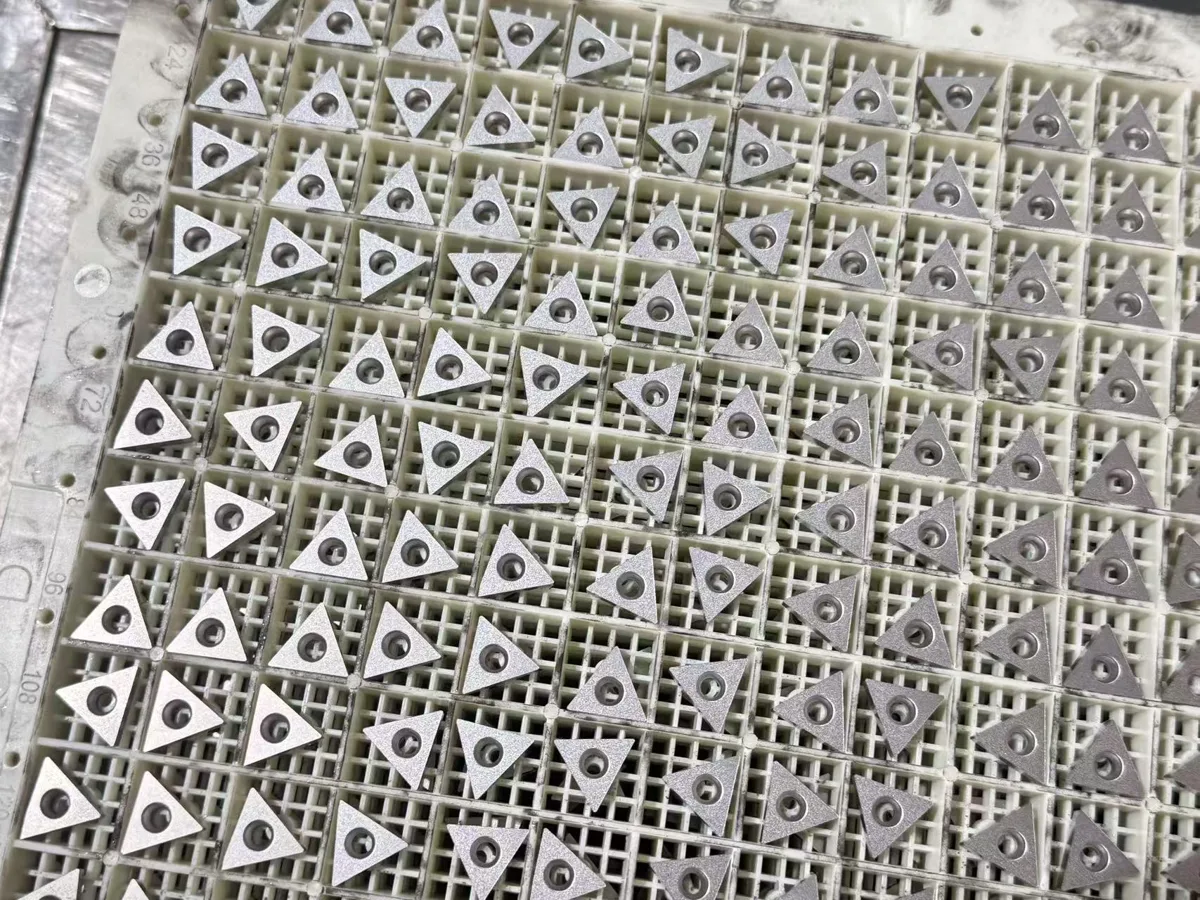
How to Read a Carbide Insert Code: CNMG120408 Decoded Letter by Letter
Nov 7, 2026
Every letter and digit in an ISO insert code has a job. Decode yours position by position before you reorder.
Read article →Short, practical guides for carbide insert codes, end mill selection, coatings, quotations and OEM supply.
Nov 7, 2026
Every letter and digit in an ISO insert code has a job. Decode yours position by position before you reorder.
Read article →
Nov 7, 2026
Ten behaviours that separate a reliable insert supplier from a big catalogue — and how to test each one before a trial.
Read article →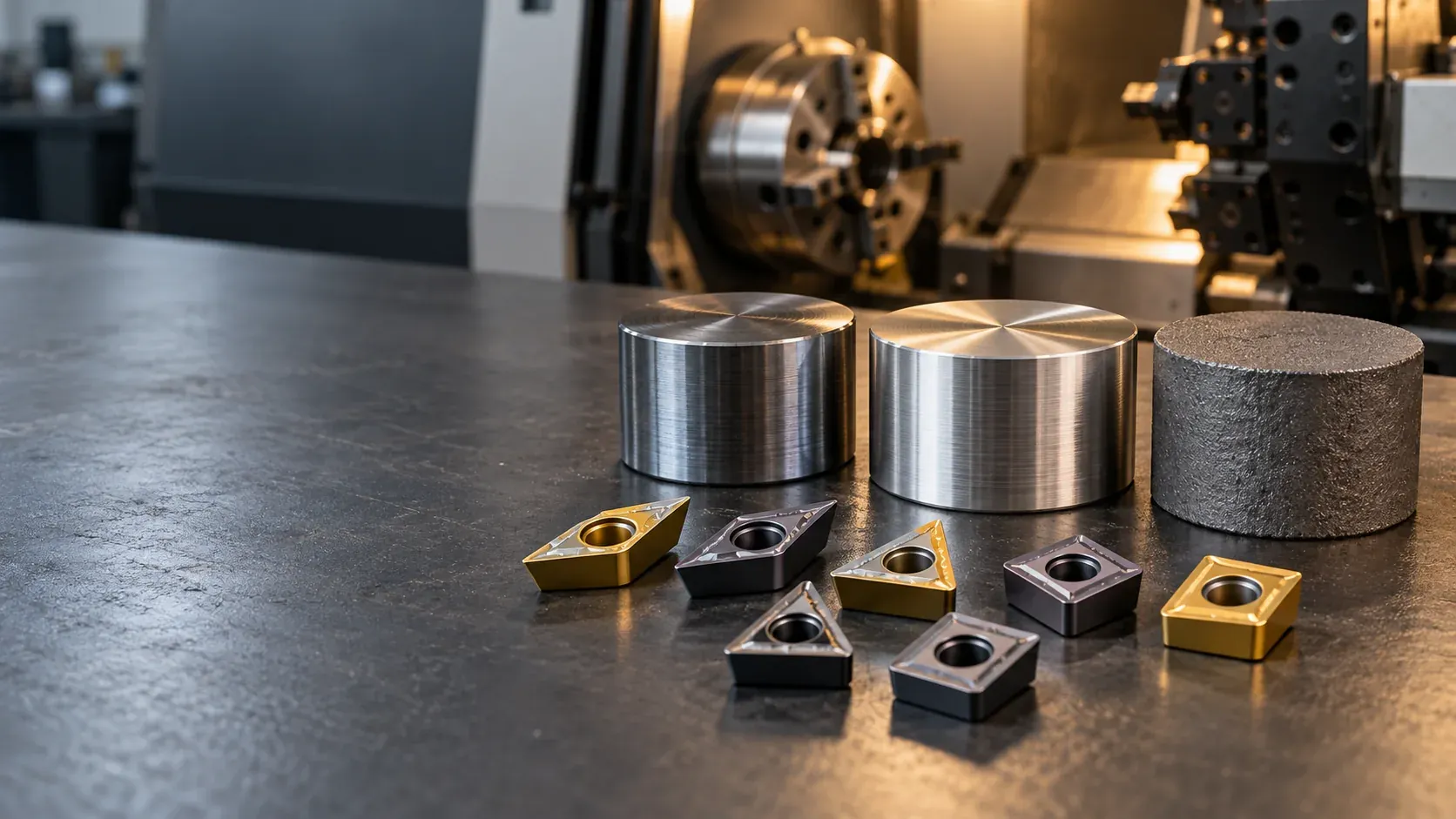
Nov 7, 2026
Choose a turning insert starting point by material, cut and current tool code.
Read article →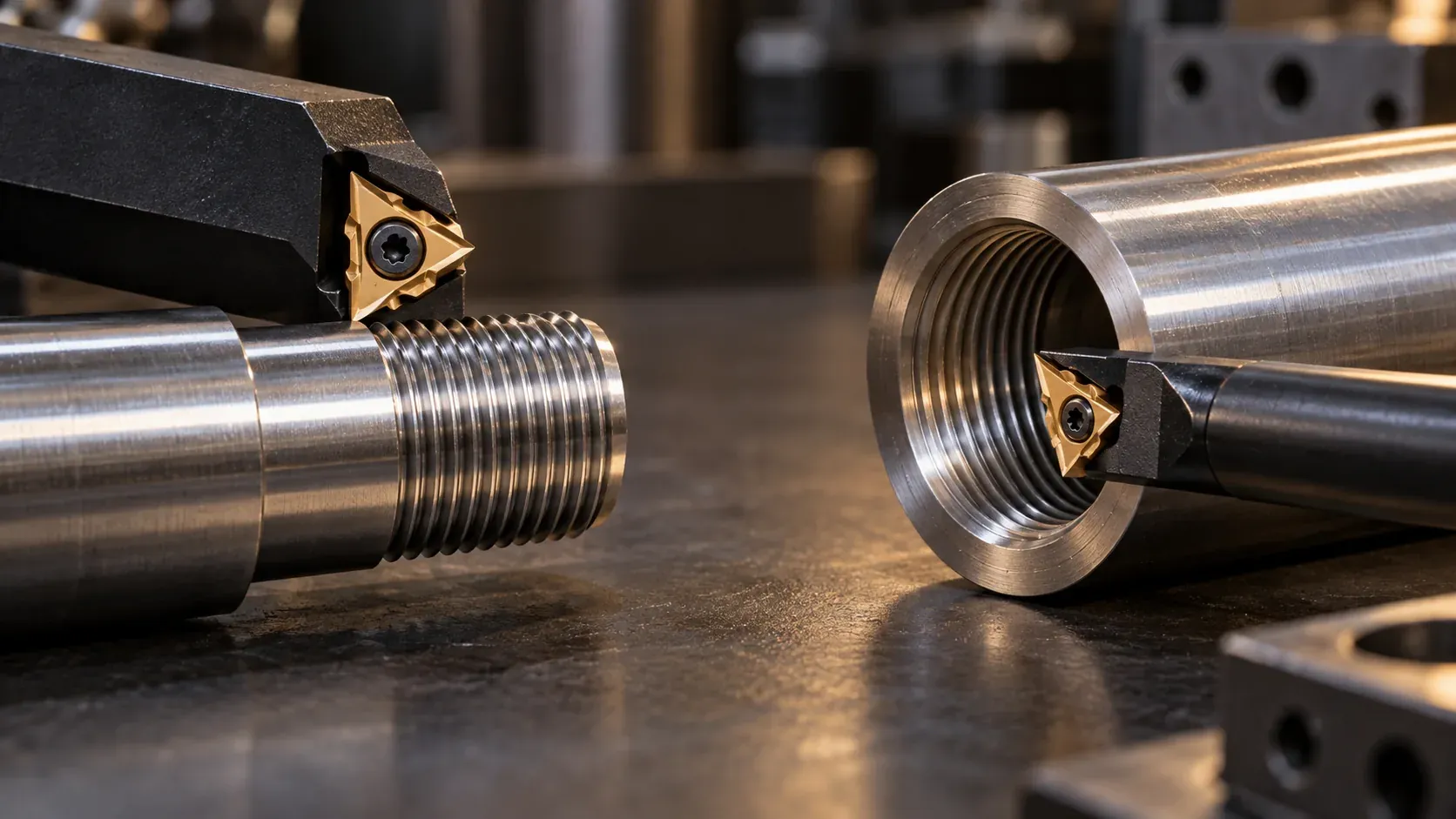
Oct 27, 2026
Check external or internal threading, holder fit, pitch and profile before ordering.
Read article →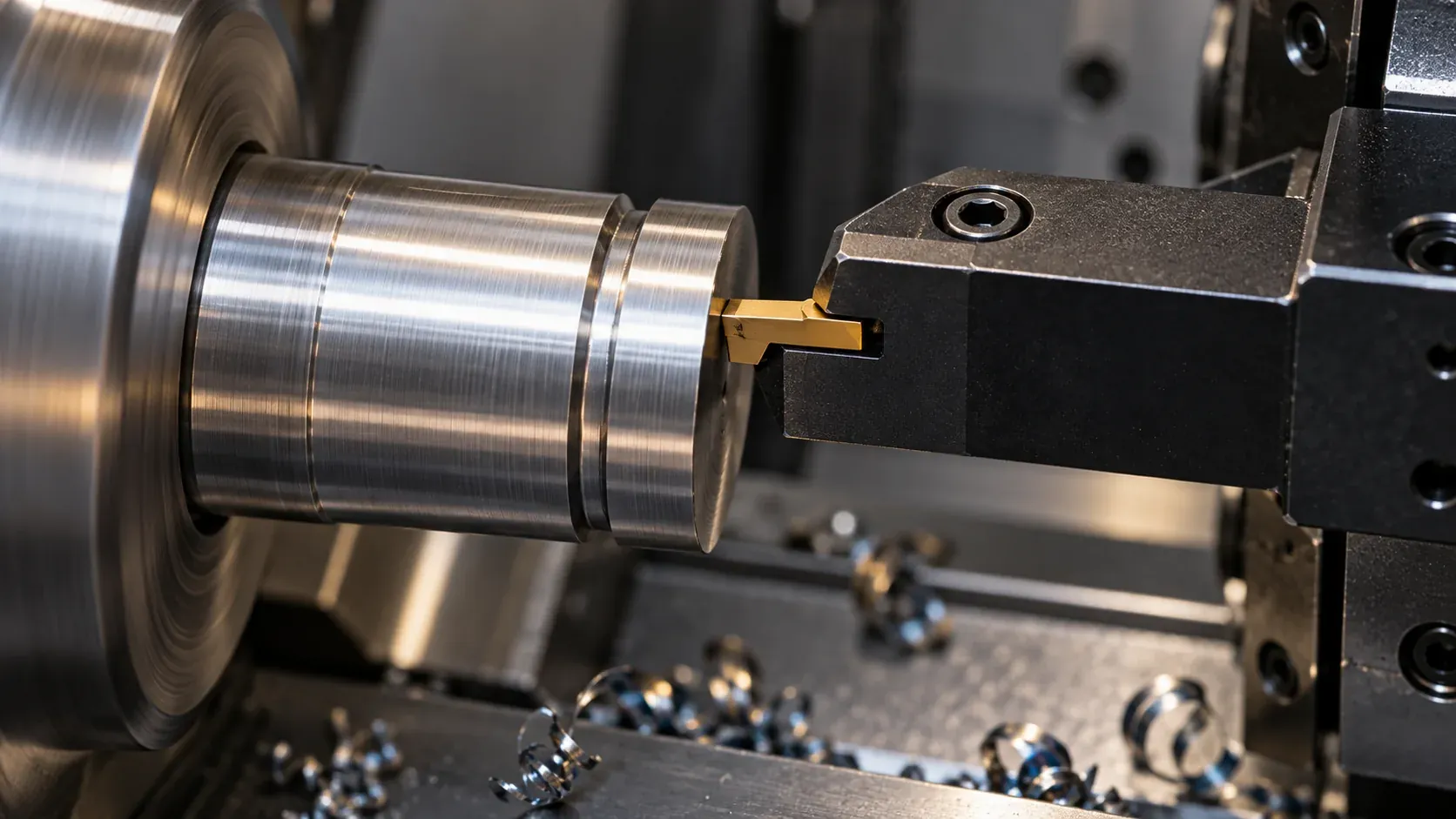
Oct 27, 2026
Match groove dimensions, holder seat and cutting conditions before quoting.
Read article →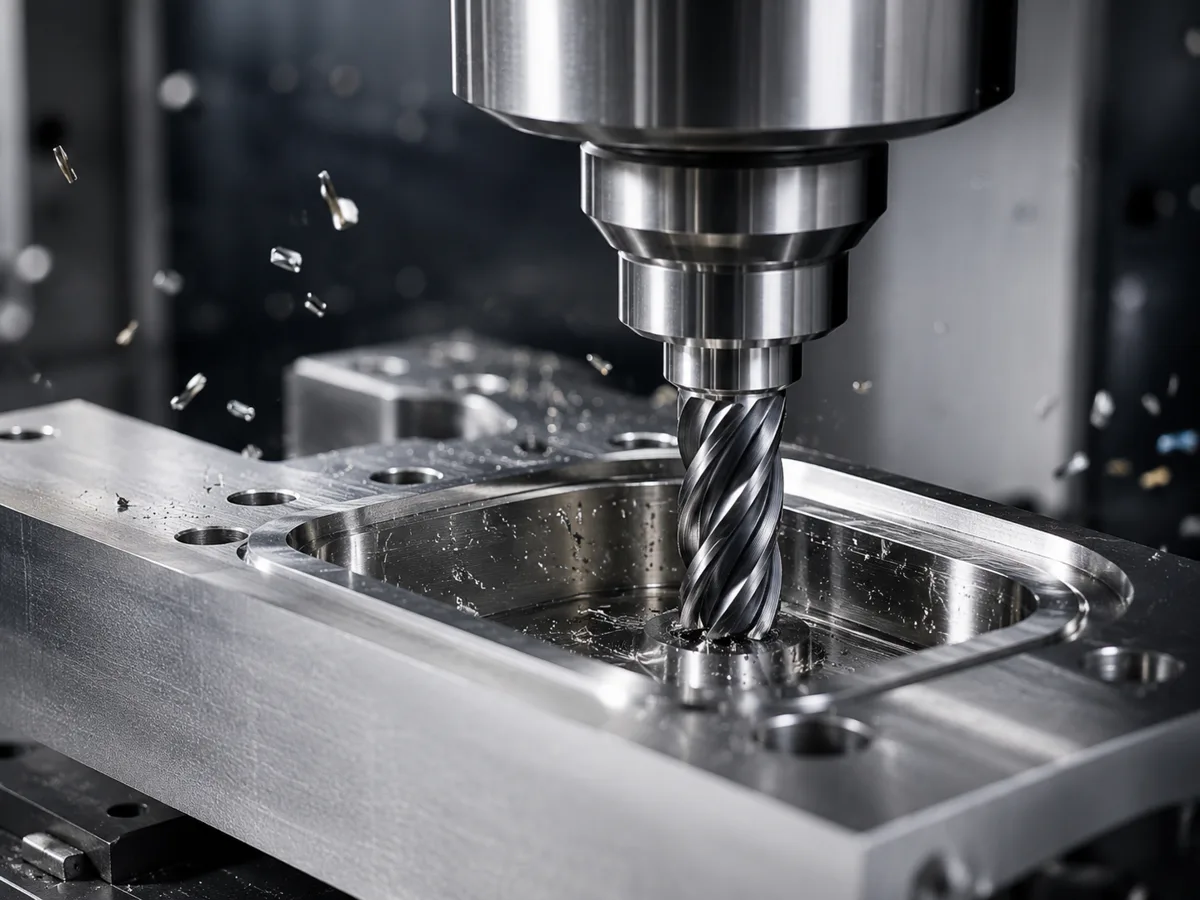
Nov 7, 2026
Check holder fit, insert geometry, workpiece material and cutting conditions before choosing a replacement.
Read article →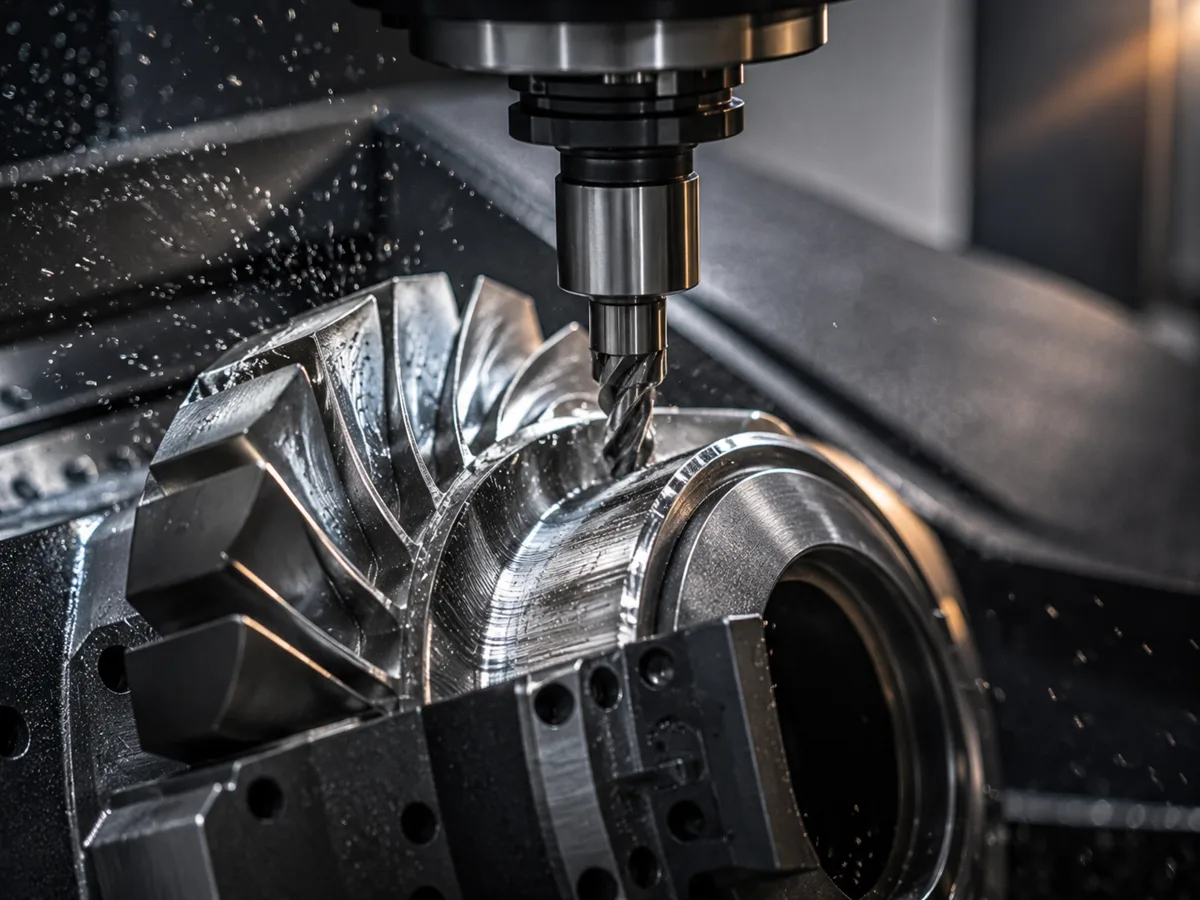
Oct 25, 2026
Flute count, helix, coating and rigidity for stainless steel — plus the checks to run before ordering a trial end mill.
Read article →
Oct 25, 2026
Send the tool code, quantity, workpiece material and current cutting problem first. A clear model list is better than a long message with no size...
Read article →Oct 25, 2026
Most chipping problems come from an edge that is too weak, unstable clamping, too much vibration, or cutting parameters that make the insert rub ...
Read article →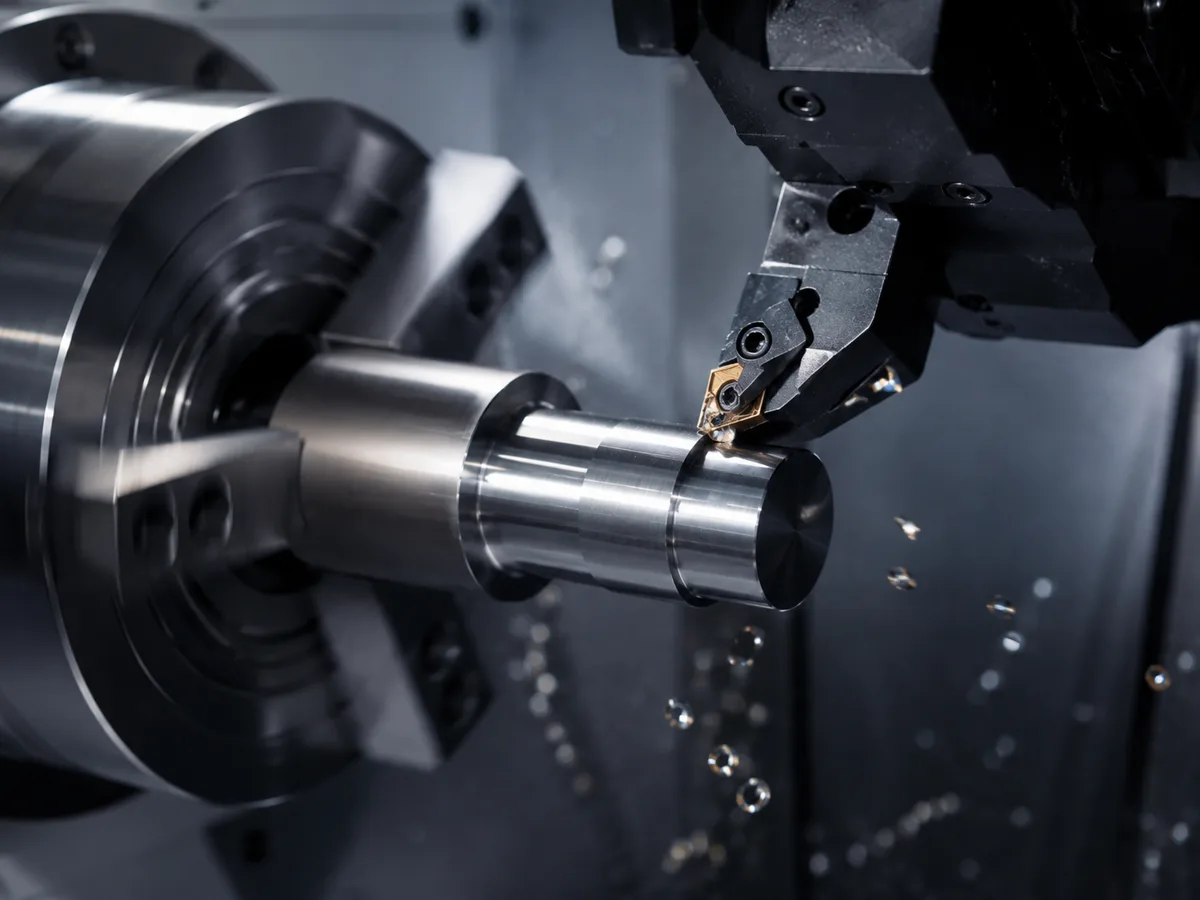
Oct 25, 2026
TiAlN, AlTiN or TiN? What each coating suits in steel and stainless drilling — and why diameter, hole depth and workpiece material decide before the coating does.
Read article →Oct 25, 2026
Use the ISO code as the starting point, then confirm chipbreaker, grade, coating and application. The same code can still cut very differently wi...
Read article →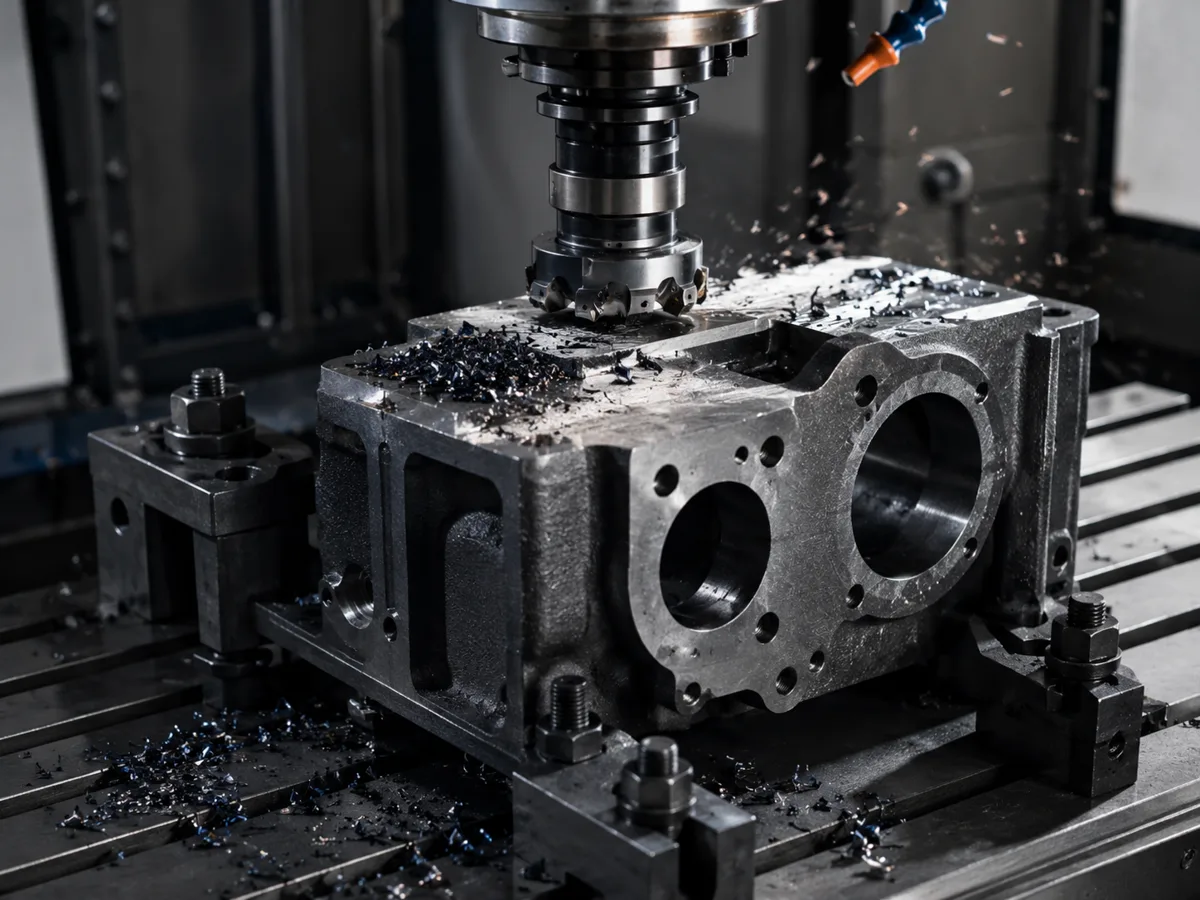
Nov 3, 2026
Check the cutter body, insert seat, screw and full code before ordering a replacement.
Read article →Oct 25, 2026
PVD is often preferred for sharper edges and stainless finishing. CVD is often used for steel and cast iron when heat resistance and wear resista...
Read article →