
How should I choose carbide end mills for stainless steel?
Choose carbide end mills for stainless steel by alloy, operation, cutter size, flute space and holder fit. Compare trial needs and send a precise RFQ.
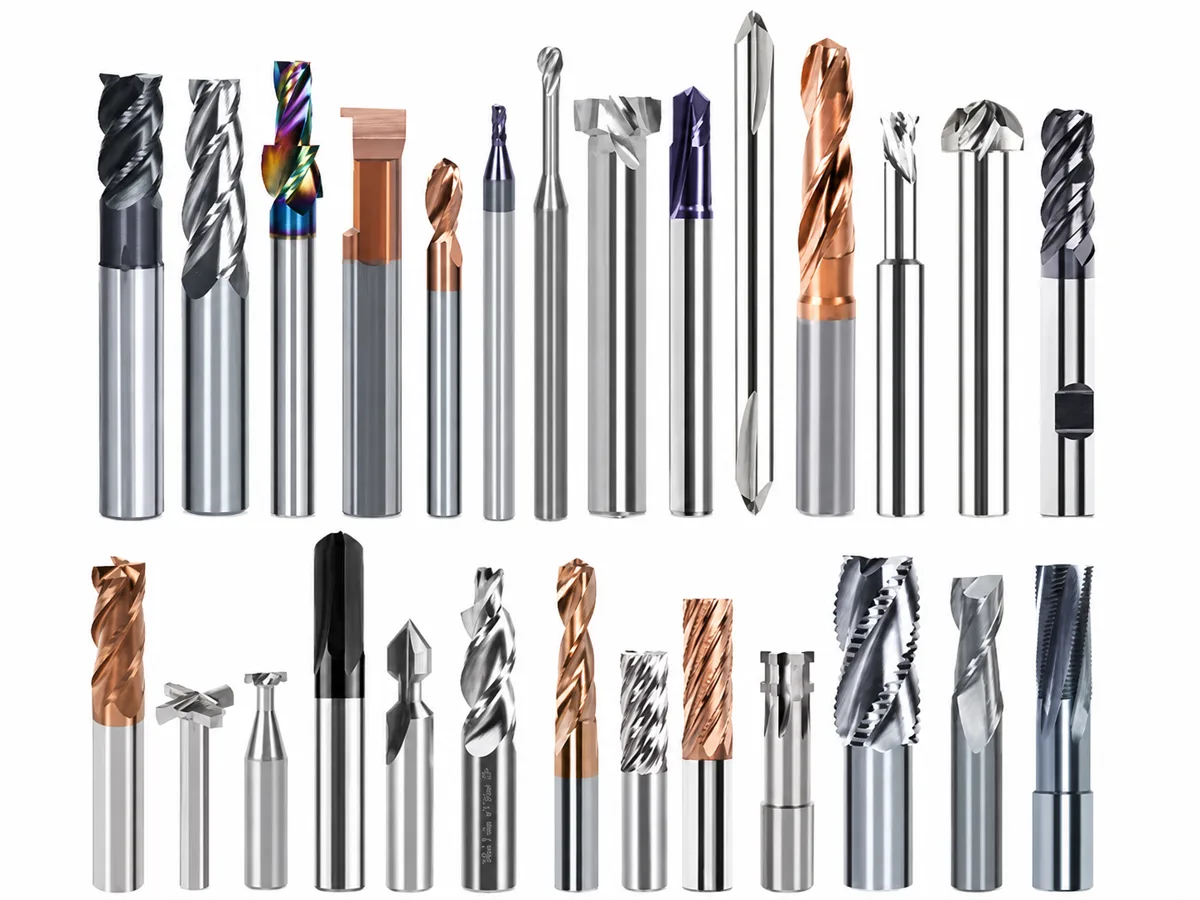
Choose a carbide end mill for the exact stainless grade and operation, then check diameter, cutting length, reach, flute space and holder fit. A four-flute cutter is a sensible option to discuss for a full slot, where chips need room to escape; a higher flute count may suit a lighter finishing pass. Neither is a universal rule. Send the drawing and current tool code before selecting a replacement.
Which stainless steel and which cut?
“Stainless steel” is not one cutting condition. Common austenitic grades such as 304 and 316 differ from precipitation-hardening 17-4 PH, and the latter's heat-treatment condition also matters. Give the material designation and condition if known. State whether the cutter will open a full-width slot, mill a side wall, clear a pocket or finish a surface. These operations produce different chip loads and leave different amounts of space for chips to exit.
If you are replacing a tool that rubbed, built up material on its edge or chipped, send a photo and the current speed, feed and engagement. A coating change alone may not solve a chip-flow or stability problem. Use the proposed cutter maker's starting parameters, then verify the result on your machine.
Match diameter, cutting length and reach to the feature
Start with the drawing: slot width, corner radius, pocket depth, wall height and any obstruction near the feature. The cutter diameter must fit the toolpath and the finished geometry. Length of cut is the fluted portion that can engage the workpiece; overall length and reach are different dimensions. Choose only the reach needed to clear the part and fixture, and avoid unnecessary tool stickout. For a deep pocket, note whether a reduced neck is required so the shank does not rub.
Also specify a square, corner-radius or ball-nose end where the feature requires it. If you already have a holder, send the shank diameter and holder type with the old cutter's full code. Matching cutter diameter alone does not confirm a usable replacement.
How many flutes should a stainless end mill have?
Flute count is a trade-off between cutting edges, core strength and chip space. Discuss it together with the toolpath and the manufacturer's specific geometry:
| Operation | Starting discussion |
|---|---|
| Full-width slotting | Consider a four-flute design with enough flute space and a clear chip-removal plan. |
| General roughing | Four or five flutes may be candidates; confirm engagement, chip formation and rigidity. |
| Light side finishing | Five or more flutes may suit the smaller amount of stock left for the finishing pass. |
These are selection questions, not promised cutting conditions. A low-radial-engagement toolpath can justify a different flute design from a deep full slot, even in the same grade of stainless steel.
Check chip removal and the complete setup
In a narrow or deep slot, trapped chips can be cut again and damage the edge or finish. Tell the supplier whether you use air, flood coolant or through-tool coolant, and whether the pocket is open or enclosed. Ask how the proposed geometry clears chips in that operation. Check workholding and the collet or chuck, keep overhang as short as the feature allows, and investigate runout if one flute wears faster than the others. A stable setup matters as much as the catalog description.
What should you send for a useful quotation?
- Stainless grade and condition, plus a drawing or dimensions of the feature.
- Operation, cutter diameter, required cutting length, reach and end profile.
- Machine, holder and shank size; coolant method and current cutting settings.
- Existing tool code, photos of wear or chipping, order quantity and packing needs.
See our carbide end mill range and small-quantity sourcing guide. We can review a replacement code or a drawing and confirm available options before quoting; final grade and parameters should be checked against the actual application.