
Why do carbide inserts chip when turning stainless steel?
Troubleshoot carbide insert chipping in stainless steel turning. Check damage pattern, clamping, cutting conditions and material before changing grade.
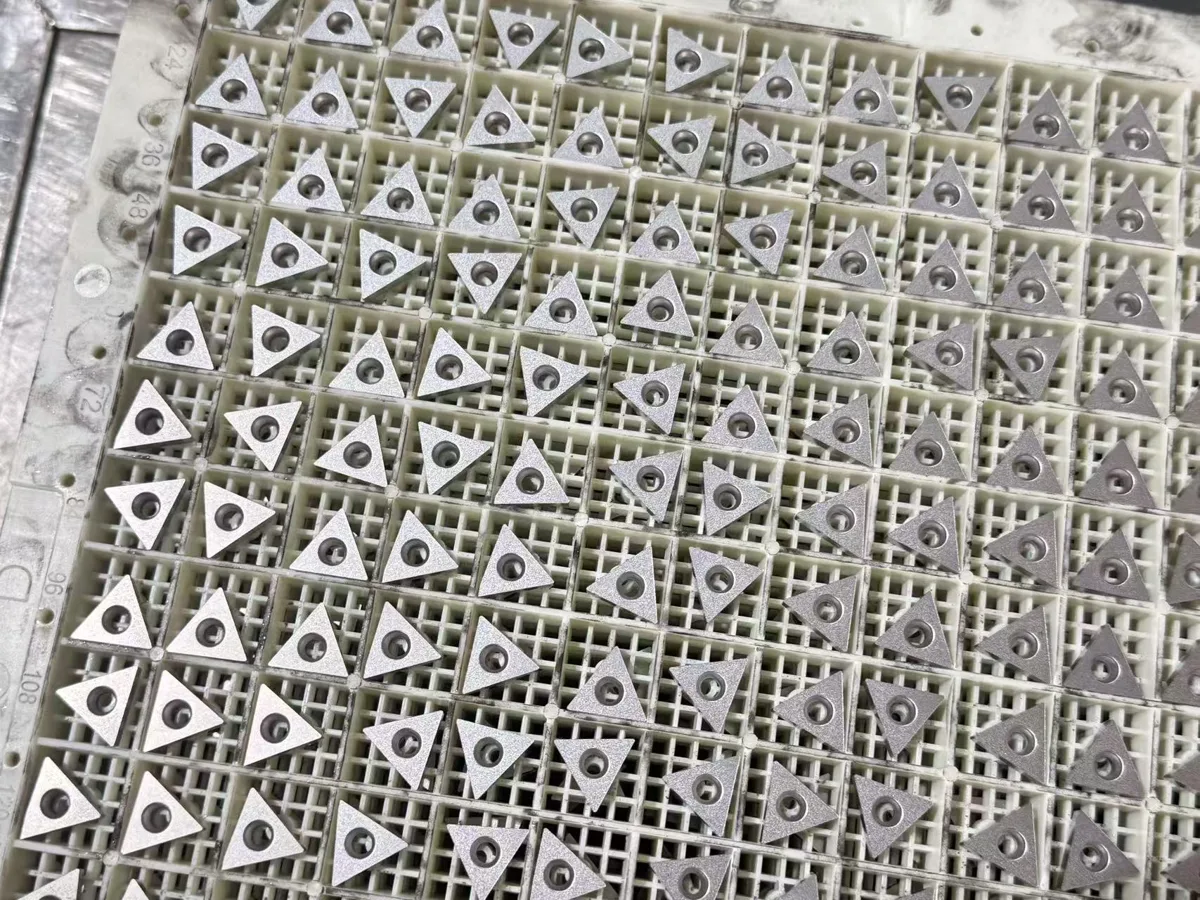
Chipping during stainless-steel turning is a symptom, not a grade diagnosis. Look at where the edge broke and when it happened. Vibration, an overloaded or unsuitable edge, built-up material, a work-hardened surface and inconsistent coolant can produce different damage patterns. Record the setup before changing speed, feed or insert grade so the next trial answers a useful question.
What does the damaged edge look like?
| Observation | First checks |
|---|---|
| Small, irregular pieces missing from the edge | Workpiece and tool clamping, overhang, interruptions, chip recutting and edge strength. |
| Shiny stainless material welded to the edge | Built-up edge, cutting speed, chip flow, edge sharpness and coolant delivery. |
| Damage concentrated at the depth-of-cut line | Notch wear, a hardened surface from an earlier pass, scale or repeated contact at one depth. |
| Cracks after repeated heating and cooling | Interrupted cuts and whether coolant reaches the cutting zone consistently. |
A photograph of a used insert can help distinguish these patterns, but it cannot by itself prove the root cause. If edges fail suddenly, stop the job and check the setup before running another insert under the same conditions.
Check the setup before choosing a new grade
Start with the insert seat, clamp, holder overhang and workpiece support. A loose or damaged seat and chatter can chip even a suitable grade. Note whether the cut crosses keyways, holes or scale, and whether long chips strike the edge again. Then compare the actual feed, depth of cut and cutting speed with the insert maker's guidance for the exact stainless grade and operation.
Many stainless steels can work-harden. A pass that rubs instead of cutting may leave a harder surface for the next pass. Built-up edge can also form when workpiece material adheres to the tool; when it detaches, it can take small pieces of the cutting edge with it. These mechanisms call for different adjustments. Increasing speed blindly may make wear or temperature worse, while reducing feed blindly may increase rubbing. Change one variable at a time and record the result.
What to send for a useful troubleshooting discussion
- Material: the stainless grade or specification, and whether the surface is rolled, forged, welded or previously machined.
- Tooling: full insert code, grade and chipbreaker, holder code, nose radius and a clear photo of the damaged edge.
- Process: roughing or finishing, continuous or interrupted cut, speed, feed, depth of cut and coolant method.
- Failure timing: whether the first edge chips immediately or wears gradually, and whether the same damage repeats at one position.
This information helps separate a fit or stability problem from a grade or geometry choice. Our turning insert range provides the product starting point; the material and grade checklist explains why the workpiece and cut matter.
Frequently asked questions
Will a tougher carbide grade stop every chipped edge?
No. A tougher grade can be worth testing where mechanical shock is the main issue, but it will not repair poor clamping, excessive overhang, chip recutting or an unsuitable cutting condition.
Does built-up edge mean I should always increase speed?
Not automatically. Built-up edge often occurs at lower cutting speeds, but a higher speed can bring different wear or heat problems. Check the maker's recommended range and the actual edge before changing the program.
How should I compare two insert options?
Use the same material batch and stable setup, record the parameters, inspect comparable edges at the same cutting interval, and note chip form, finish and failure mode. A controlled trial is more informative than changing the grade and program together.
Discuss your stainless turning problem
Share the damaged-edge photo and the details above for a practical compatibility check. Start a stainless-turning inquiry on WhatsApp, or use the quote form. Review the draft and press Send in WhatsApp to complete the inquiry.