
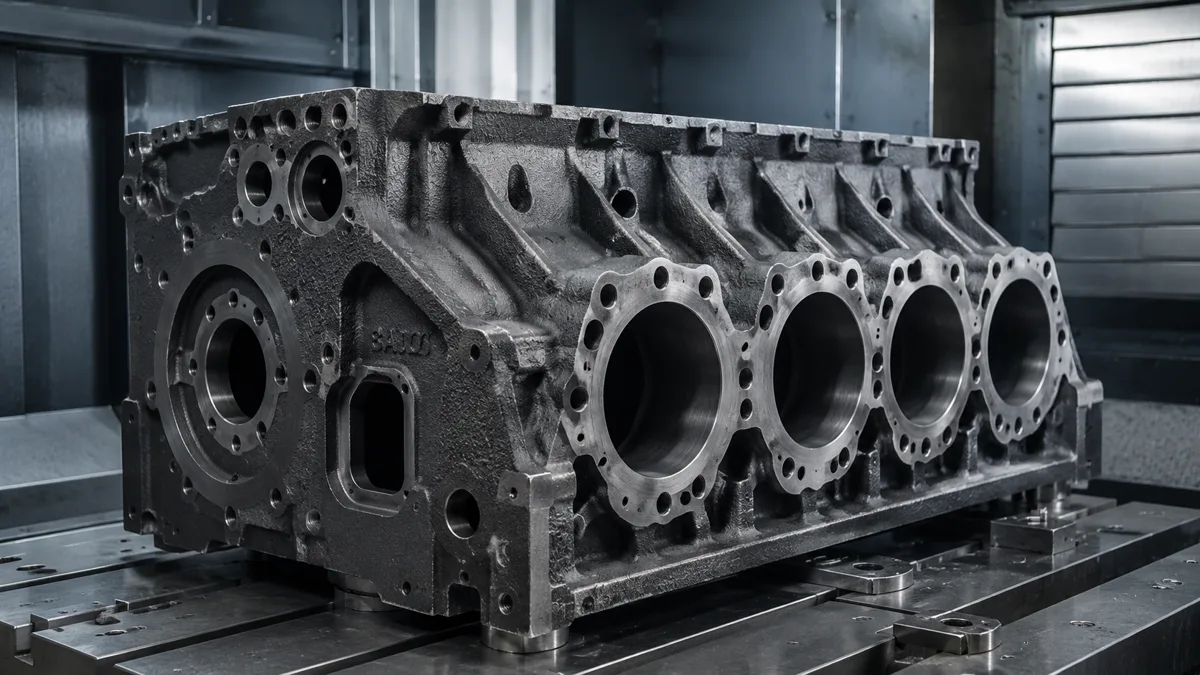
Cast iron machining
Common requests include turning and milling inserts for gray iron and nodular iron with focus on wear life, edge stability and dry cutting performance.
Discuss tooling for these application areas: cast iron, superalloy, hardened steel, non-ferrous machining, glass / wood / composites, automotive wheel hubs and other special jobs.
Send the tool code, workpiece material, operation, machine condition and current problem. That is usually enough to start the quotation and model check.
Common requests include turning and milling inserts for gray iron and nodular iron with focus on wear life, edge stability and dry cutting performance.
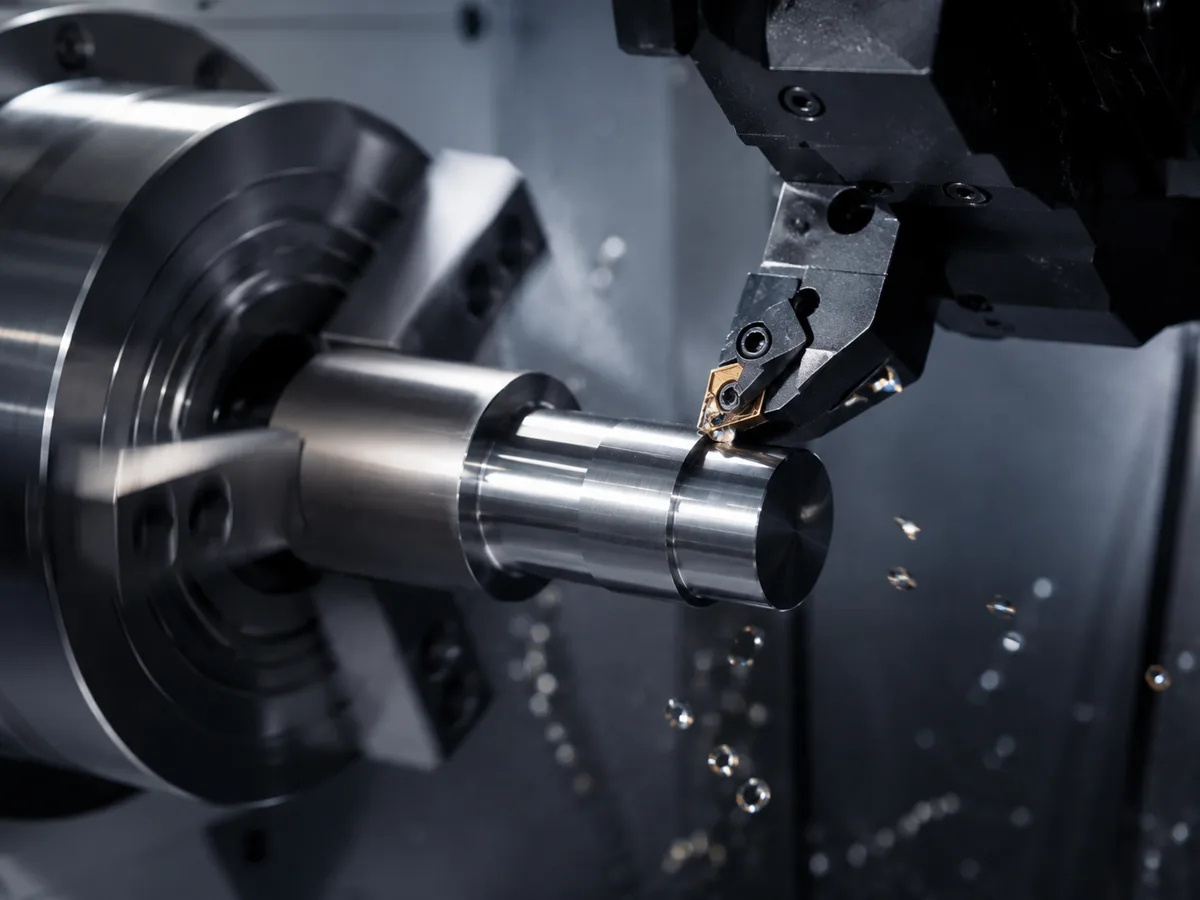
For Inconel and similar alloys, buyers usually send speed, feed, depth of cut, coolant condition and the current failure mode before grade selection.
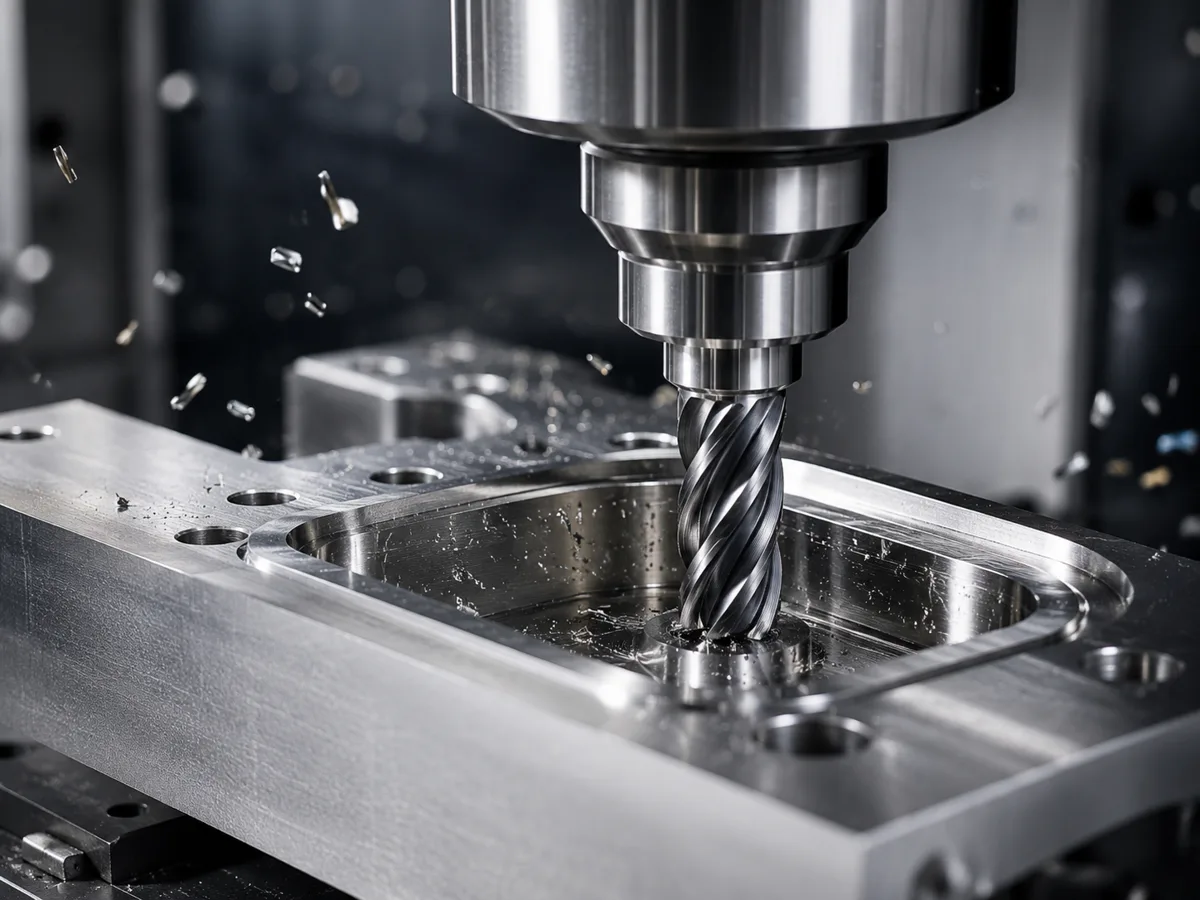
CBN inserts and other hard-turning solutions are usually quoted by hardness range, interrupted cutting condition and surface finish target.
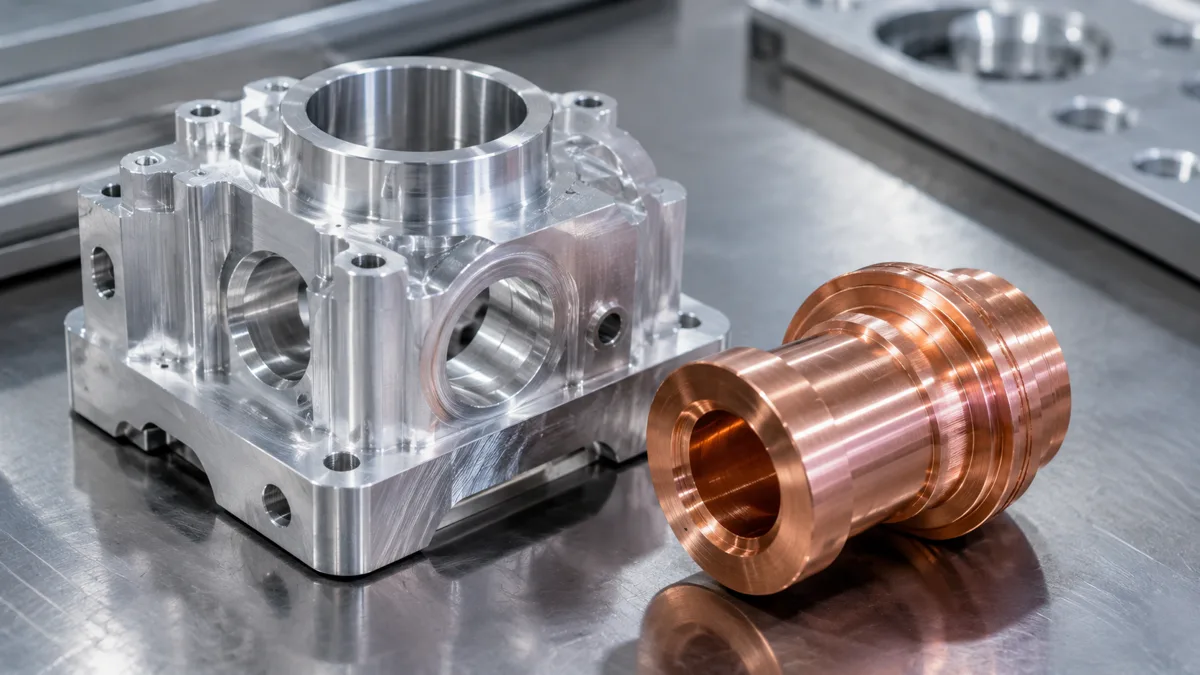
PCD inserts and sharp-edged tooling are commonly requested for aluminum, copper and similar materials where finish and burr control matter.
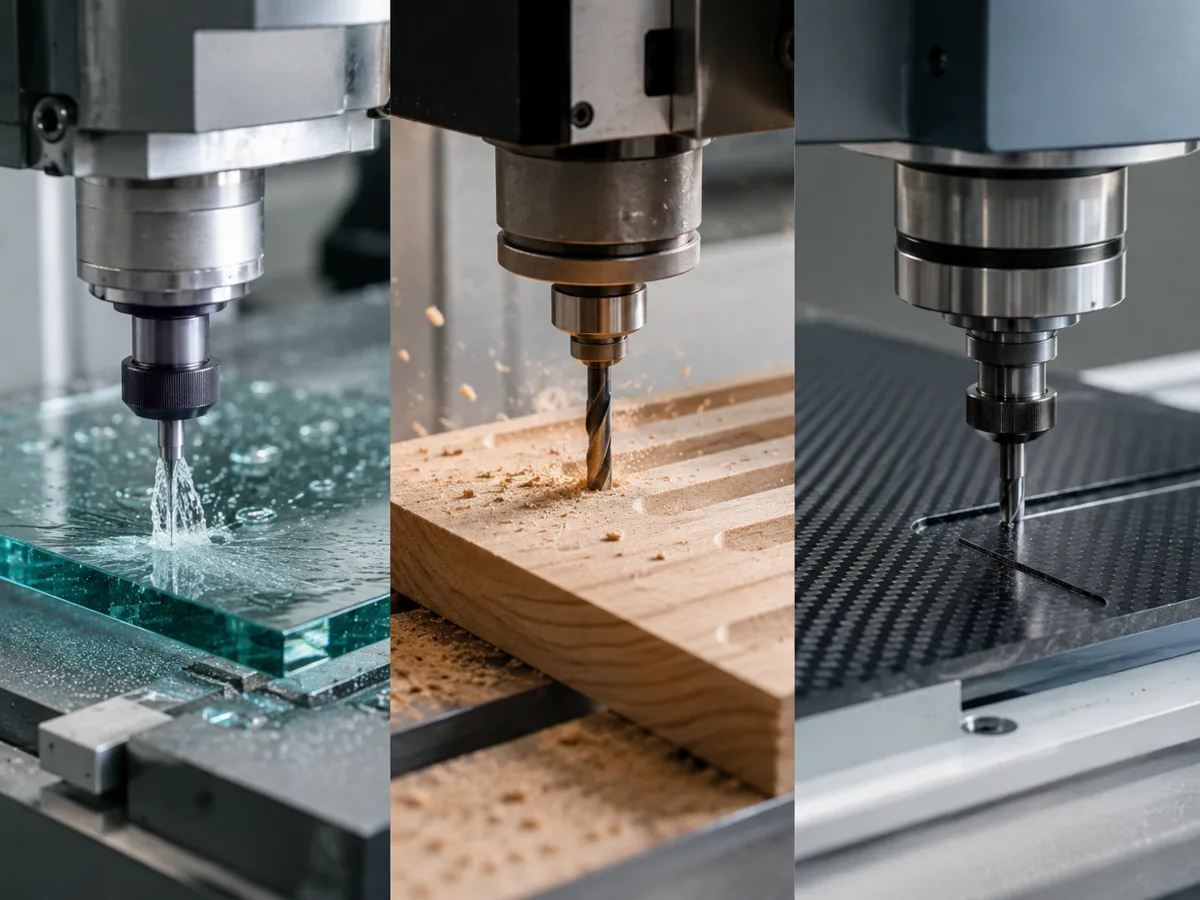
PCD or special wear-resistant tooling can be checked for fiber-rich, abrasive or brittle materials. Send the workpiece and edge quality requirement.
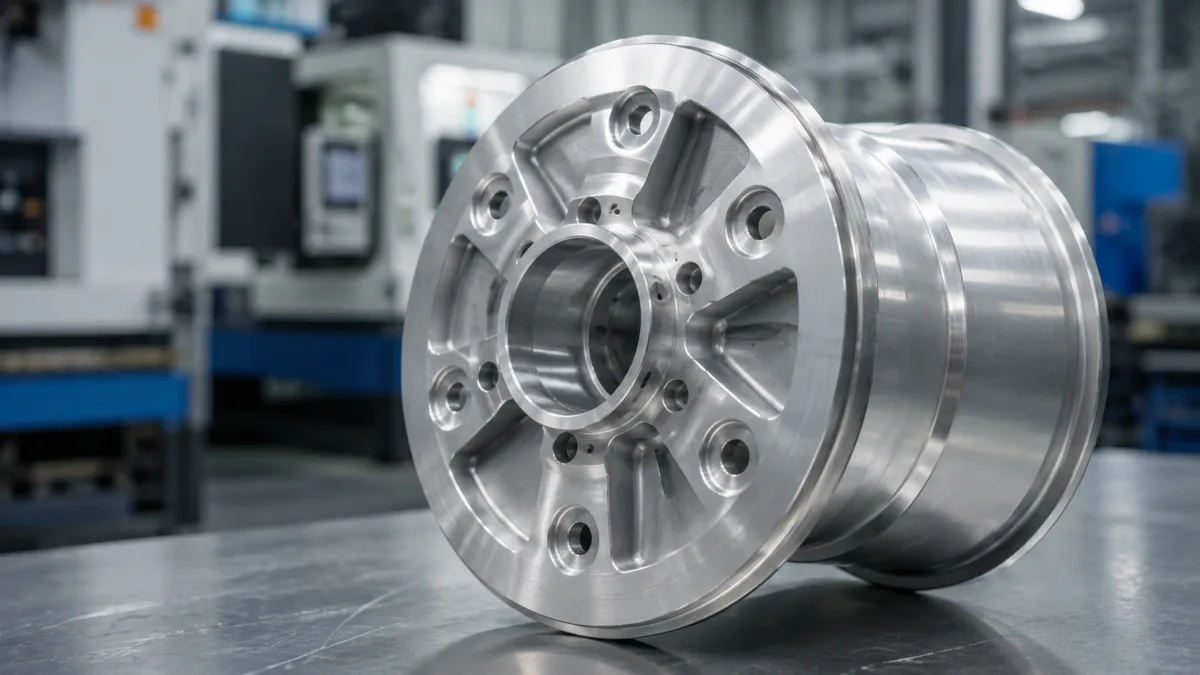
Typical RFQs include aluminum wheel hub turning and milling where finish, consistency and burr control are key points.

Mixed model lists, material-based requests, neutral packaging, private label packaging, toolholder matching and OEM supply projects can all be discussed with our team.
Use a recorded trial to judge fit, cutting performance and repeat-order requirements.
Record the workpiece, holder, current tool and cutting conditions before changing the insert.
Compare acceptable parts per edge, chip control and surface quality under the recorded conditions.
Keep the accepted grade, geometry, sample reference and packing with the order record.
If the insert code is unclear, a photo, drawing, material and current cutting problem are often enough to start the quotation.