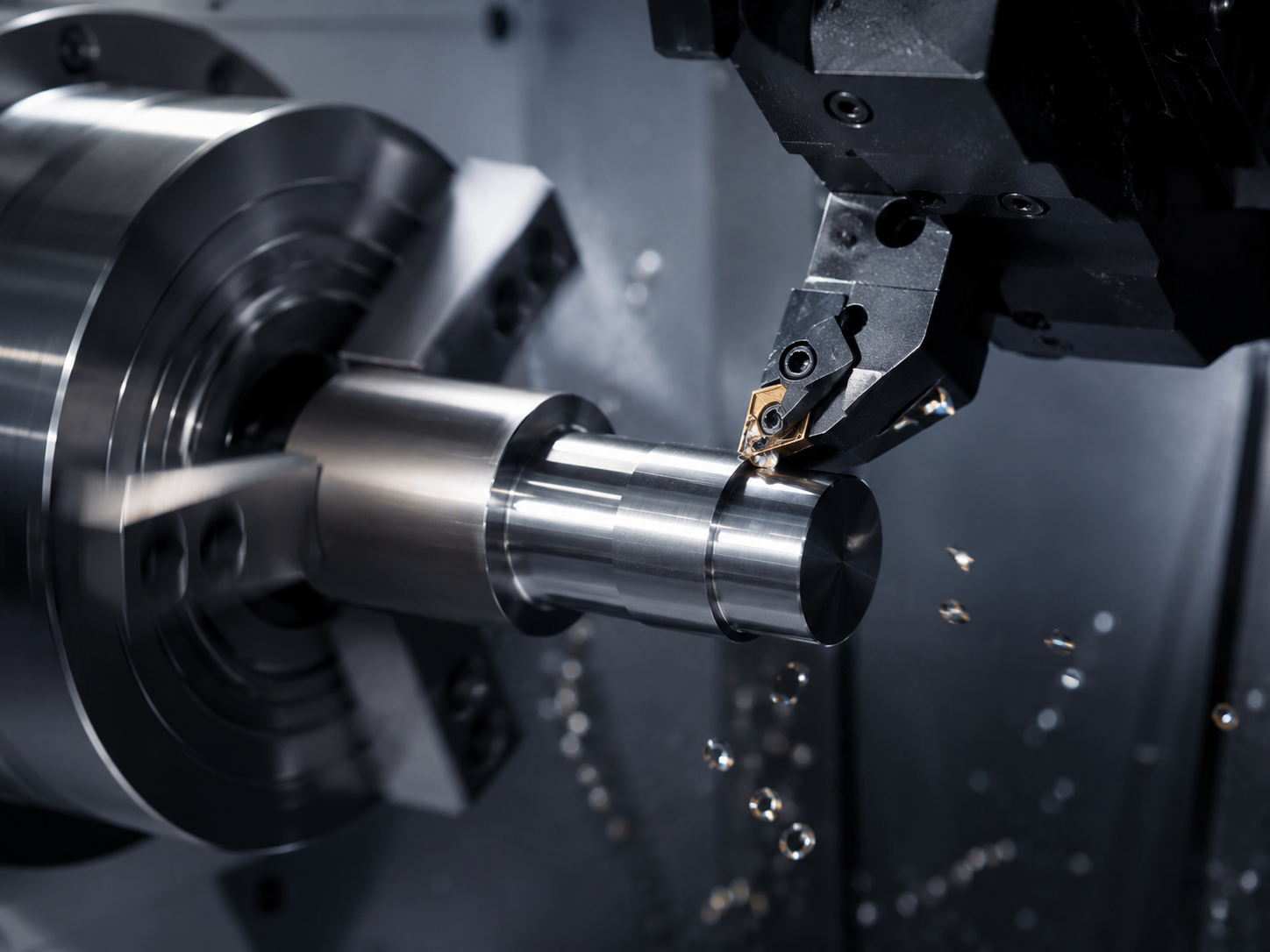
PVD is often preferred for sharper edges and stainless finishing. CVD is often used for steel and cast iron when heat resistance and wear resistance matter more.
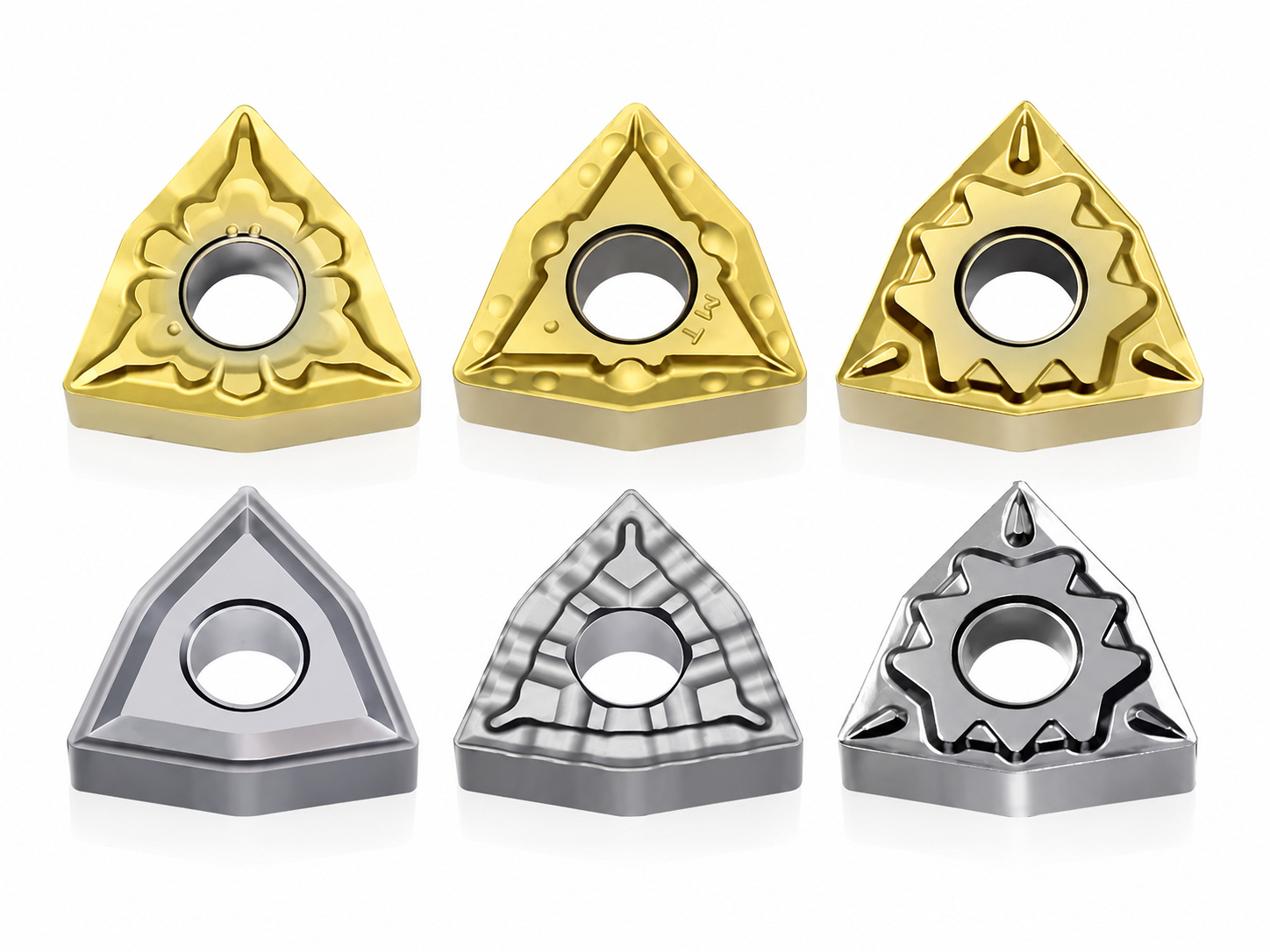
PVD is often preferred for sharper edges and stainless finishing. CVD is often used for steel and cast iron when heat resistance and wear resistance matter more.
For most RFQs, the product code is only the first step. The same insert or end mill family can perform differently depending on material, holder, cutting load, coating and coolant. A good quotation checks the application before selecting a grade or geometry.
| Information | Why it matters |
|---|---|
| Tool code / model | Confirms geometry, size and replacement direction. |
| Workpiece material | Controls grade, coating and edge recommendation. |
| Operation and parameters | Roughing, finishing, cutting speed and feed change the recommendation. |
| Current problem | Chipping, wear, built-up edge and poor finish need different solutions. |
A machine shop sends an ISO insert code for steel turning, but the problem is edge chipping during interrupted cuts. Before quoting, we ask for the holder model, cutting speed, feed, depth of cut, coolant and whether the previous insert failed suddenly or wore gradually. That information usually decides whether we quote a tougher substrate, a stronger chipbreaker or a different coating.
Send your tool code, material, quantity and current cutting problem. We will check the closest product direction and reply with supply options.