CNMG and WNMG are not interchangeable names for the same turning insert. Start with the holder, insert shape, operation and material before selecting a replacement.
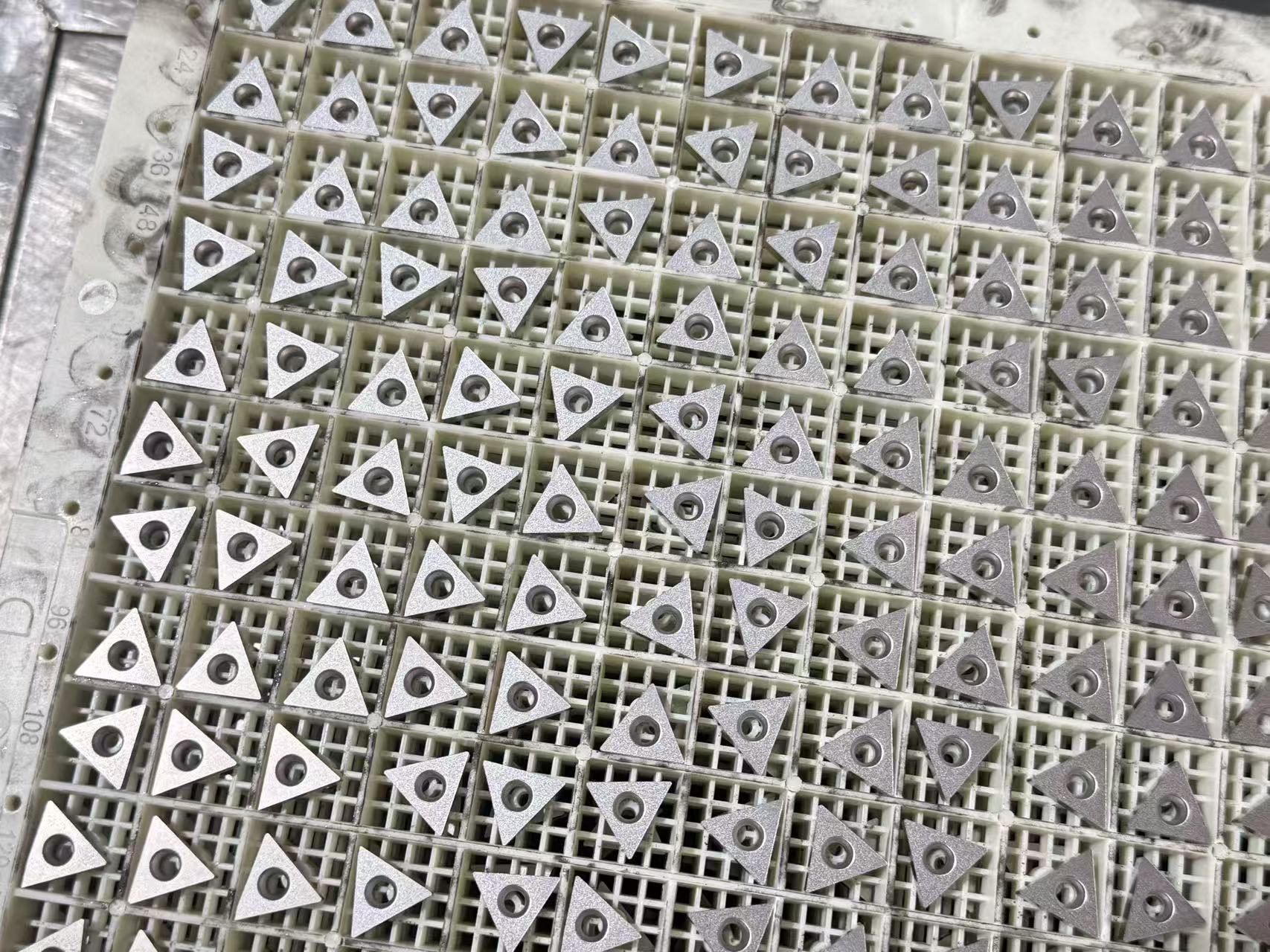
CNMG and WNMG use different insert shapes and holder systems. The right choice depends first on what the holder accepts, then on the workpiece material, operation, stability, chip control and edge-load requirement. Do not select only from a search term or shape photo.
Both families are common in external turning, but their geometry and compatible holder systems are different. Buyers often use the comparison when they need a replacement insert, want more usable corners, or are trying to solve chipping or finish issues. The answer changes with the holder, the approaching angle, whether the cut is continuous or interrupted, and the required balance between edge support and access to the workpiece profile.
Start with compatibility. A correct insert that does not match the holder seat cannot be evaluated as a cutting solution. Once the holder is confirmed, the grade, chipbreaker and edge direction can be selected around the actual job.
CNMG and WNMG should be quoted with the holder model whenever possible. The holder controls how the insert is seated, clamped and presented to the workpiece. A buyer who has only a partial insert code should send a photo of the holder and the empty insert seat before ordering.
| Check | Why it matters | What to send |
|---|---|---|
| Full insert code | Identifies size, thickness, corner radius and chipbreaker direction. | Box label or clear insert photos. |
| Holder model | Confirms the insert shape and clamping system the tool accepts. | Marking on holder or full tool photo. |
| Current edge condition | Shows whether the issue is chipping, wear, built-up edge or breakage. | Close photo of the used corner. |
| Operation | Determines required edge strength, chip control and finish direction. | Roughing, finishing, facing, profiling or interrupted cut. |
Insert shape affects the available corners, entering direction and access to profiles. That does not make one family universally better. A stable roughing operation with a holder designed for CNMG may prioritize the robust 80-degree insert shape and a suitable chipbreaker. A compatible WNMG holder may be selected where its geometry and usable-corner arrangement fit the component and process plan.
Check the actual component drawing or finished profile before changing families. If the job needs to approach a shoulder, blend a profile or reach a particular feature, the holder and insert geometry must support that path without forcing the cutting edge into an unstable position.
The same CNMG or WNMG family can be supplied with different grades, coatings and chipbreakers. A light finishing pass, a continuous steel turn, a stainless-steel application and an interrupted cast surface do not place the same demand on the cutting edge.
Do not change holder, insert family, grade and cutting conditions all at once. A controlled change gives a clearer answer about what caused the original issue.
A direct replacement quote needs the exact current code and holder. A process recommendation needs more: workpiece material, operation, approximate cutting conditions and the current problem. Separating these two requests makes the reply faster and avoids using a generic answer for a specific machining issue.
A machine shop asked whether it could change from a CNMG insert to WNMG because it wanted a different cost-per-corner result. The initial request contained an insert photo but no holder model. Before comparing grades or pricing, the review requested the holder marking, a photo of the insert seat and the workpiece application.
The additional information showed that the buyer first needed to confirm what the current holder could accept. The job also included a shoulder feature and occasional interrupted engagement. The comparison therefore became a holder-and-operation check rather than a shape-only decision. The buyer could then test the correct compatible direction with one controlled setup instead of ordering a visually similar insert that might not seat correctly.
No. Confirm the holder system and seat before changing insert shape. Similar external dimensions do not prove compatibility.
Corner utilization depends on the compatible holder system and the process plan. It should not be considered alone without checking profile access, edge stability and the cutter setup.
A photo helps, especially together with the holder model and current code. For a reliable replacement direction, show the top, side, bottom and seat where possible.
CNMG vs WNMG is a compatibility and application decision. Confirm the holder first, then match the insert geometry, grade and chipbreaker to the material and operation. For product details, see our turning inserts page, CNMG guide and WNMG guide. Send your code, holder photo and quantity through the RFQ page for model matching.